Untangling Spirals of Rest, Pressure, and Peak Output

Today, we explore mapping causal loops in stress, sleep, and productivity, revealing how small shifts ripple through your days. Expect practical models, vivid examples, and compassionate guidance to help you see patterns, test changes, and design gentler cycles that steadily sustain better focus, creativity, and wellbeing. We will connect biology, behavior, and work design, so improvements reinforce rather than cancel each other, giving you a repeatable way to find steadier energy and dependable momentum.

See the Whole System

Before changing habits, get a clear picture of interactions. Causal loop diagrams let you capture reinforcing spirals that amplify stress and balancing processes that restore stability. We will define variables precisely, note direction and strength, and mark delays that hide cause from effect, especially around sleep pressure, circadian cues, rumination, and workload expectations. This shared picture prevents whack‑a‑mole fixes and invites smarter, kinder experiments that reduce volatility while protecting the creative peaks you rely on for meaningful progress.

From Hunches to Evidence

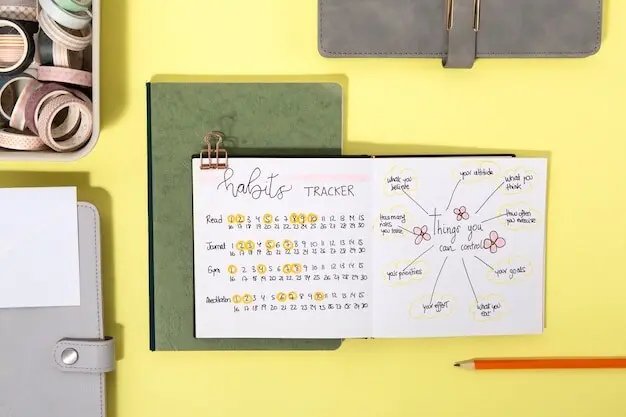
Complex dashboards die fast. Aim for a one‑minute routine: checkboxes for wind‑down done, screens off by set time, caffeine cutoff honored, exercise completed, and approximate deep‑work minutes. Add a five‑point stress rating morning and evening. Use one comments line for standout events. Consistency beats precision here; the goal is to support curiosity, not court exactness, so your map evolves through livable practice rather than guilt‑ridden spreadsheets abandoned after an exhausting week.
Beware variables that masquerade as progress. A frantic sprint can inflate output today while quietly inflaming stress and suppressing sleep quality tomorrow, faking a positive relationship between stress and productivity. Seasonal light, illness, childcare changes, travel, and holidays distort patterns too. When in doubt, annotate, zoom out, and compare similar weeks. Your future decisions depend on intellectual honesty now, especially when an appealing story fits neatly and feels emotionally rewarding yet remains incomplete.
After a few cycles, transform notes into directional links. Did earlier outdoor light correlate with shorter sleep latency? Did batching notifications reduce evening rumination? Draw arrows with polarity and confidence notes, then test by nudging a single variable. Expect surprises, not perfection. Iterating the map builds practical wisdom, helping you predict tradeoffs, schedule energy‑sensitive tasks thoughtfully, and protect recovery windows before commitments expand to fill every available hour again.

Everyday Loops You Already Live Inside

Leverage Points That Calm Pressure and Lift Output

Not all changes are equal. Tweak points that alter feedback itself create enduring relief. Focus on routines that lower arousal before bed, structures that guard deep work, and practices that train faster recovery during shocks. Each small shift should make the next healthy action easier, compounding benefits naturally. The aim is graceful stability: less volatility, steadier mood, and high‑quality productivity that does not constantly demand emergency energy you cannot sustainably supply.

Make Experiments That Stick

Sustainable change emerges from gentle trials, not grand overhauls. Choose one promising link, set a two‑week window, and pre‑define success metrics tied to energy and meaningful output. Plan safeguards for tough days. Record adherence plainly and accept imperfection gracefully. Midway, review surprises and keep the plan boringly simple. At the end, fold what worked into routines, update the map, and either iterate or rest, trusting compounding over spectacle.

Visual Tools to Keep the Map Alive

A living map invites iteration. Start messy with paper, then capture versions you can share and evolve. Color‑code reinforcing and balancing loops, annotate delays, and date revisions so learning is visible. Tools like Miro, Kumu, Loopy, or simple slide decks work well. The medium matters less than disciplined updates after each experiment and the habit of narrating insights, because explanations clarify attention and quietly strengthen commitment to better cycles.
Lorovexoxarimiratari
Privacy Overview

This website uses cookies so that we can provide you with the best user experience possible. Cookie information is stored in your browser and performs functions such as recognising you when you return to our website and helping our team to understand which sections of the website you find most interesting and useful.